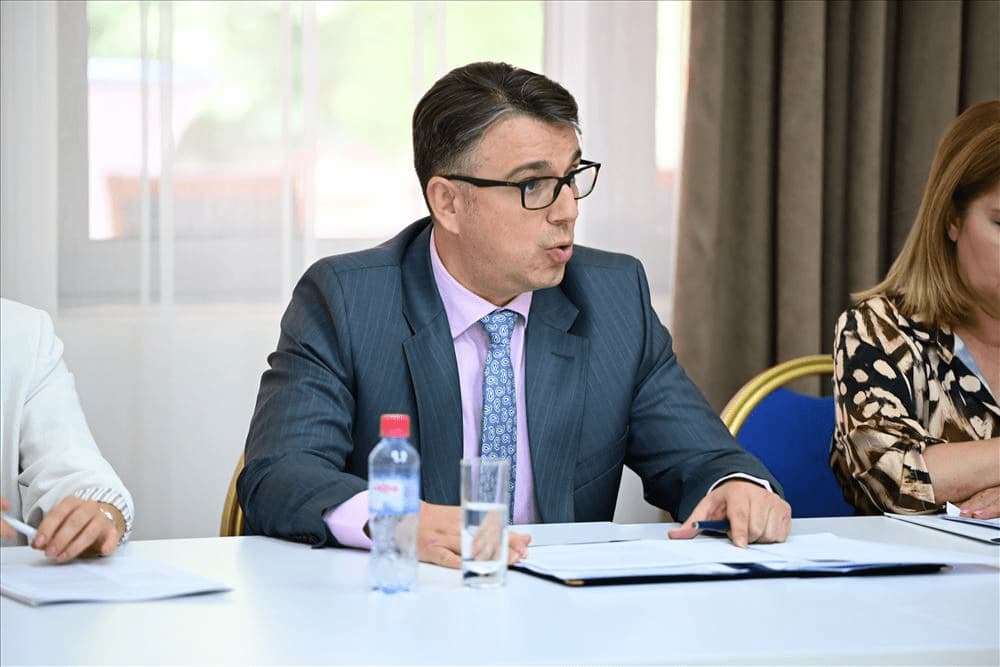
At a briefing with journalists, the Minister of Justice, Igor Filkov, presented the key laws from the Government's reform agenda in the areas of rule of law and justice, judicial independence, as well as laws that strengthen the fight against corruption.
"Reforms are not declarations - they are actions. We do not pass laws quickly in the interest of individuals, certain families or interest groups. Laws are prepared through serious analysis, consultation with experts, the non-governmental sector, the professional public and in compliance with international standards," said Minister Filkov.
There are 22 reform laws in the final procedure, of which 13 are directly derived from the Reform Agenda. They all carry one clear message:
the judiciary must be freed from political and institutional pressure, with guarantees for independence, professionalism and responsibility.
In the government procedure are the following laws:
1. The Law on Salaries of Judges
2. The Law on the Payment of Public Prosecutors
3. The Law on salaries of Members of the Judicial Council of the Republic of North Macedonia
4. Law on Salaries of Members of the Council of Public Prosecutors of the Republic of North Macedonia
5. The Law on Judicial Service
The Draft Law for the Judicial Council, which was published on ENER and submitted for opinion to the Venice Commission, as well as the Law on the Public Prosecutor's Office, which is still being prepared for publication on ENER, are also being prepared.
The Ministry of Justice is preparing five more laws the deadline of which is December 2025:
The Law on Public Prosecutor's Office
The Law on the Council of Public Prosecutors
The Criminal Code
The Criminal Procedure Law
The Law on the Council of Public Prosecutors
Every reform is a link to the chain that ensures the judiciary finally to become the basis of the rule of law, and not a hostage to daily politics.
The Ministry of Justice will insist on a fast, transparent and comprehensive parliamentary procedure.
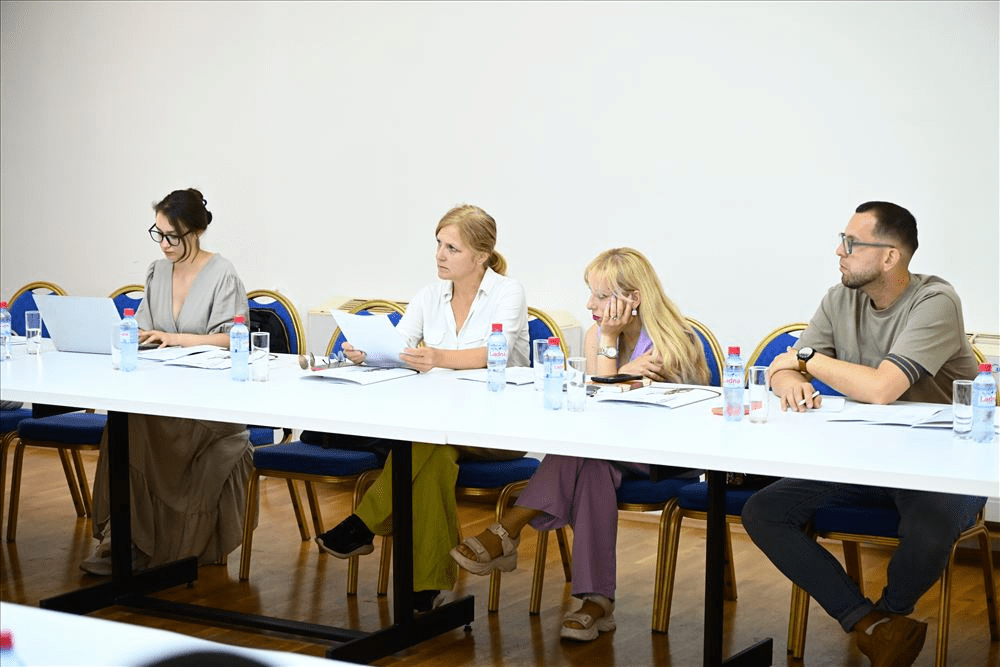
In the process of drafting the laws in the previous year, the Ministry of Justice formed about 15 working groups, which included eminent experts, professors, practitioners, concerned parties, the civil sector, as well as international organizations. Also included were: the EU Mission in Skopje, the OSCE Mission in Skopje, the Rule of Law Project, the Council of Europe, the US Embassy, the Embassy of the Kingdom of the Netherlands and EU4FAST, as well as representatives from the BLUPRINT group of civil organizations.