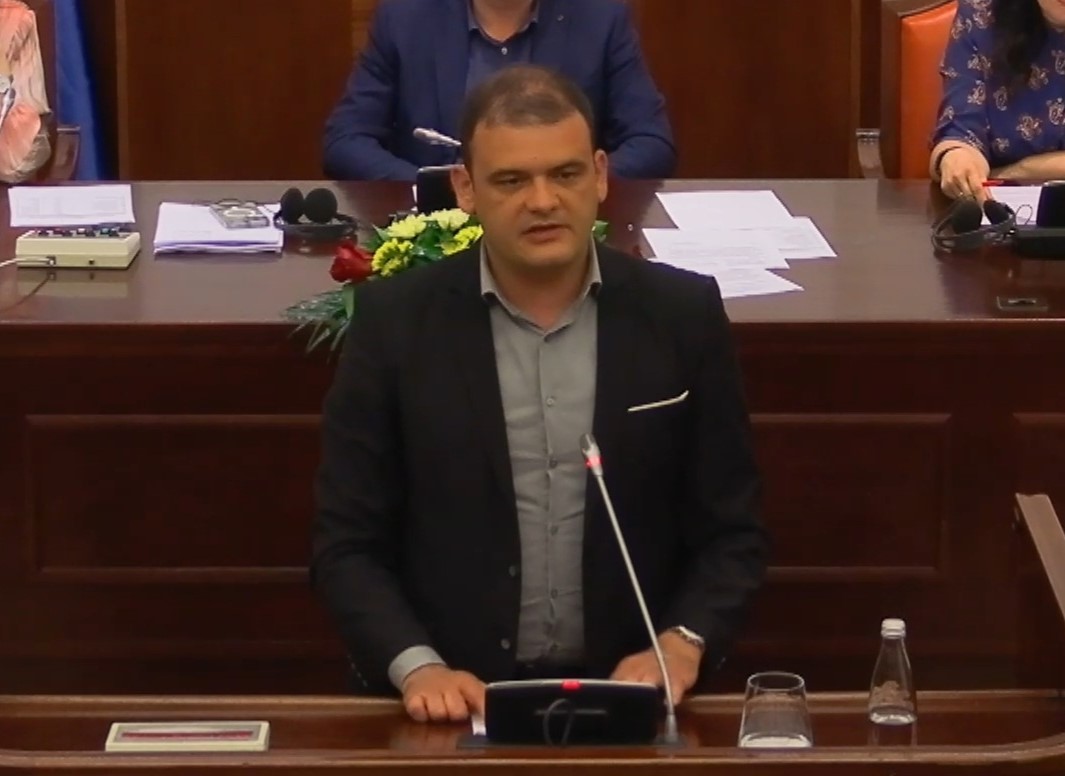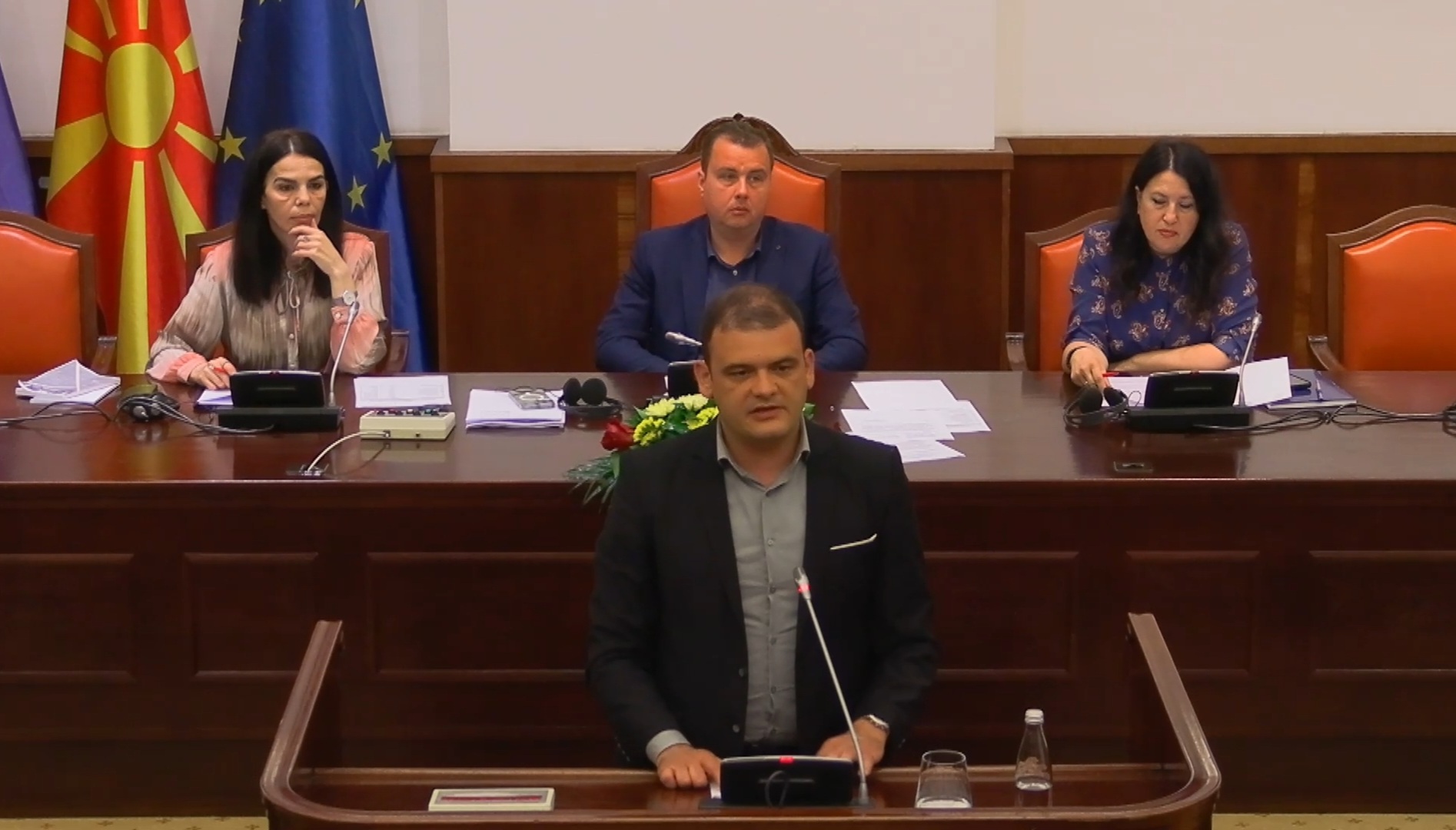
The Parliamentary Committees on Political System and Inter-Community Relations and the Legislative and Legal Committee supported in first reading the Draft Law on the Judicial Service and the Draft Law on the Public Prosecutor's Service, which are part of the key reform package to strengthen the independence, professionalism and efficiency of the judiciary.
Both laws have been prepared within the framework of the obligations set out in the Reform Agenda and the Development Sector Strategy for Justice 2024–2028 and aim to create a modern and functional system for managing human resources in courts and public prosecutor's offices.
Among the most significant innovations are:
• Establishing a special status for judicial and public prosecutorial officers as special administrative officers, which recognizes the specificity of their work and abandons the model adopted from the general system of administrative officers;
• A new employment and promotion system, tailored to the needs of the courts and public prosecutors' offices, which ensures the selection of the most professional and high-quality personnel;
• Establishing real career development and opportunities for advancement within the service, especially for professional staff and lawyers;
• Strengthening personnel autonomy and reducing dependence on the executive branch in employment planning;
• A new salary calculation system, with which increases provided through collective agreements become an integral part of the basic salary;
• Strengthening disciplinary responsibility, integrity and mechanisms for protecting the rights of employees;
• Better regulation of the status of the judicial police and other categories of employees in judicial institutions.
Deputy Minister of Justice, Alen Dereban, emphasized that the adoption of these laws is an important step towards creating a stable and professional judicial administration.
"With these legal solutions, we are for the first time establishing a system that recognizes the specificity of the work of judicial and public prosecutorial officials. We are creating conditions for professional development, fair evaluation of labor, greater institutional independence and more efficient functioning of courts and public prosecutorial offices. Our goal is to create strong institutions supported by a professional and motivated service that will contribute to better quality services for citizens and strengthened trust in the justice system," Dereban stated.
In the next phase of the parliamentary procedure, public debates will be organized in which representatives of the judicial and public prosecutorial services, institutions, the professional public, the academic community and the civil sector will participate, in order to further improve the proposed legal solutions through an inclusive and transparent dialogue.
The draft laws are financially sustainable, and their implementation does not cause additional budgetary implications beyond the already planned funds.
Scroll to top section
Laws on the Judicial and Public Prosecutor's Service Passed in First Reading by the Committee on Political System and Inter-Community Relations and the Legislative and Legal Committee, Public Debates to Follow
09/06/2026